A Simple Way to Make Your Home Quieter and More Energy Efficient
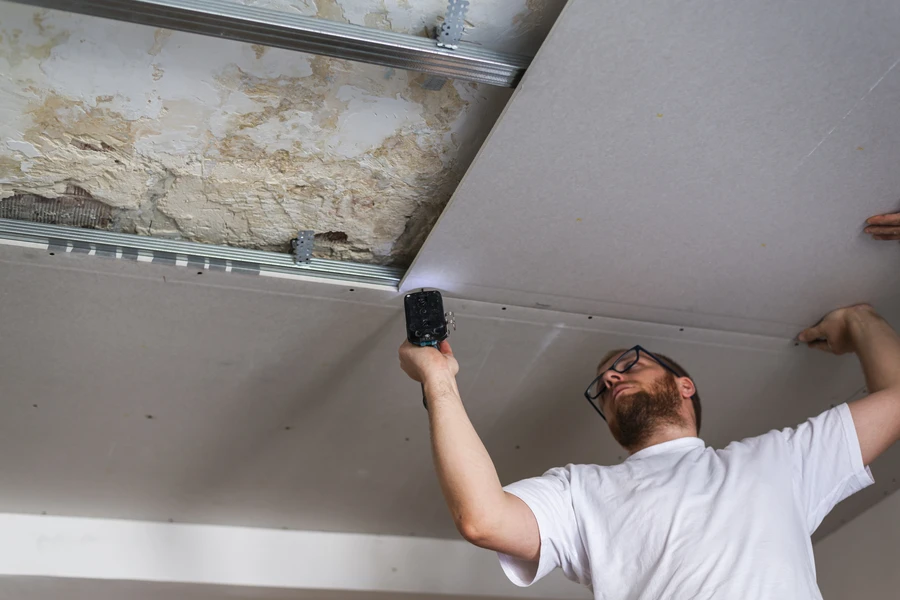
Drywall installation helps improve home insulation and soundproofing by adding solid layers to your walls and ceilings. These layers slow down heat transfer and block sound from moving between rooms. When installed the right way, drywall can make your home feel warmer in winter, cooler in summer, and much quieter all year. It works even better when paired with good insulation inside the wall cavity.
What You Need Before Starting
Before starting drywall installation, you need a few key things. Planning ahead helps you get better results and avoid problems later.
- Drywall panels sized for your space
- Insulation for inside the wall cavity
- Drywall screws or nails
- Joint tape and joint compound
- A drywall saw or utility knife
- A drill or screw gun
- Safety gear like gloves and eye protection
If your goal is better soundproofing, you may also need soundproof drywall, acoustic sealant, or resilient channels. These materials reduce sound vibration between rooms.
Step-by-Step Process to Improve Insulation and Sound Control
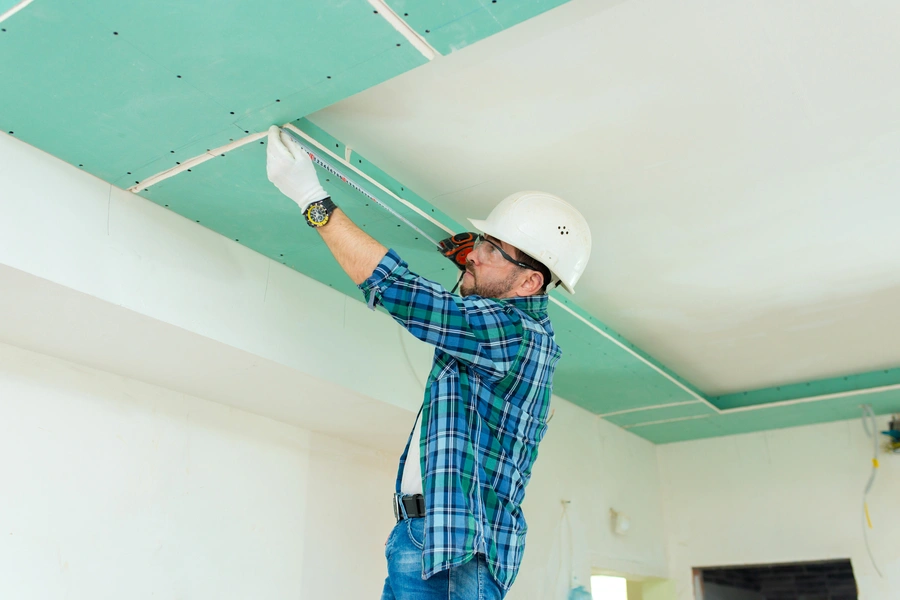
When done correctly, drywall installation adds another barrier that slows air movement and noise. Follow these basic steps for best results.
- Install quality insulation first. Fill wall cavities with fiberglass, mineral wool, or spray foam. This traps air and reduces noise transfer.
- Seal gaps and cracks. Use caulk or foam around outlets, pipes, and window edges. Small gaps let air and sound pass through.
- Hang drywall panels tightly. Secure panels firmly to wall studs. Loose panels can vibrate and let sound travel.
- Use joint tape and compound. Seal all seams between panels. This blocks small air leaks.
- Add a second layer if needed. For higher sound control, install double drywall with a sound-dampening compound between layers.
- Finish and paint properly. A smooth finish helps seal the surface and improve performance.
Each layer works together. Insulation inside the wall traps air. The drywall adds mass. More mass means less sound and better temperature control.
Common Mistakes to Avoid
Many homeowners miss small details that reduce results. Avoid these common errors:
- Leaving gaps between drywall sheets
- Skipping insulation inside interior walls
- Using thin drywall where noise is a problem
- Not sealing electrical outlets and switch boxes
- Hanging panels loosely without enough fasteners
Even small openings can reduce soundproofing. Sound travels through air gaps quickly. Taking extra time during drywall installation makes a big difference.
When to Call a Professional
Some projects are simple. Others need expert tools and skill. You may want professional help if:
- You want studio-level soundproofing
- You are finishing a basement
- You are building a home office
- You notice cold spots on exterior walls
- You want to meet building codes for energy efficiency
Professionals can suggest the right drywall thickness and insulation type. They also know how to reduce sound transfer through ceilings and shared walls. In multi-family homes, proper installation is even more important.
Final Recommendation and Next Steps
If you want a quieter and more energy-efficient home in Oklahoma City, OK, we are ready to help. At Beyond OKC Construction LLC, we handle drywall installation projects that improve comfort and lower energy loss. Call (405) 346-1859 to speak with our team and schedule a consultation that fits your needs.